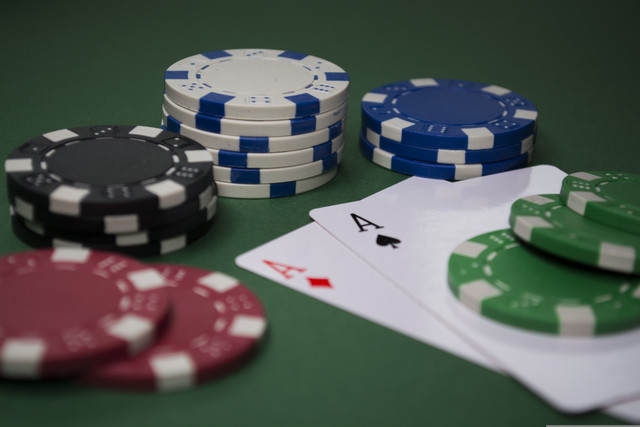
Blackjack Strategy: When to Hit, Stand, Double Down or Split
Before you can win at blackjack, you need to understand one simple truth:
Blackjack is a game of chance, but the decisions you make can significantly affect the house edge.
Every choice you make at the table affects your chances of winning or losing.
And once you understand how the game actually works, you'll start seeing opportunities that most players completely miss.
The Golden Rule
Before anything else, remember this:
«Always compare your hand with the dealer's upcard.»
Your hand matters, but the dealer's card tells you what you're really up against.
Why the Dealer’s Upcard Matters
The chart shows how often the dealer busts for each upcard - dealer cards from 2 to 6 produce higher bust rates overall, although the exact play still depends on your total. For example, hard 12 stands against 4 to 6 but hits against 2 or 3.
Simple Strategy Rules (Easy Version)
You don't need to memorize complex charts yet. Start with these simple rules:
| Situation | Dealer Shows | Your Move |
|---|---|---|
| Your total is 17 or higher | Anything | STAND |
| Hard 13-16 | 2-6 | STAND |
| Hard 13-16 | 7-Ace | HIT |
| Hard 12 | 4-6 | STAND |
| Hard 12 | 2-3 or 7-Ace | HIT |
| Hard 8 or lower | Anything | HIT |
| Hard 9 | 2 or 7-Ace | HIT |
| Hard 9 | 3-6 | DOUBLE DOWN |
| Hard 11 | 2-10 | DOUBLE DOWN |
| Hard 10 | 2-9 | DOUBLE DOWN |
| Aces (A-A) or 8s (8-8) | Anything | SPLIT |
| 10s (10-10, J-J, Q-Q, K-K) | Anything | NEVER SPLIT |
Split Aces and 8s under the standard rules assumed in this guide. Pair decisions can change when surrender is available or when table rules differ. Plays follow standard basic strategy tables; see the Wizard of Odds strategy calculator and Edward O. Thorp’s Beat the Dealer for full charts.
These simplified rules can help reduce avoidable mistakes and bring your decisions closer to standard basic strategy.
Strategy at a Glance
| Your Hand | Dealer 2–6 (weak) | Dealer 7–A (strong) |
|---|---|---|
| 17 or higher | STAND | STAND |
| Hard 13–16 | STAND | HIT |
| Hard 10 | DOUBLE vs 2-9 | HIT vs 10-Ace |
| Hard 11 | DOUBLE | DOUBLE vs 7-10, HIT vs Ace |
| Hard 9 or lower | HIT (double 9 vs 3-6) | HIT |
When to Stand - and why
Stand when:
- Your total is 17 or higher
- A hard total of 13-16 when the dealer shows 2-6
- Hard 12 when the dealer shows 4-6
Why? Because the dealer is more likely to bust with weak cards (2-6).
When to Hit - and why
Hit when:
- Your total is 11 or lower
- Your total is 12-16 and the dealer shows 7 or higher
Why? Because the dealer has a strong chance of getting a good hand.
When to Double Down
Double down when:
- You have 10 or 11, and the dealer has a weaker card
This is where you increase your winnings when the odds are in your favor.
When to Split
Always split:
- Aces (A-A)
- 8s (8-8)
Never split:
- 10s (10-10, J-J, Q-Q, K-K)
When to Hit, Stand, Double Down, or Split
Now that you understand basic strategy, it's time to sharpen your decision-making.
Because in blackjack, every hand comes down to one moment:
«What should you do next?»
This chapter will give you a clear, practical way to decide, without confusion or hesitation.
Step One: Look at the Dealer's Card
Start by checking the dealer's upcard, then compare it with your own total and whether your hand is hard, soft or paired.
- Dealer shows 2-6 → Weak (more likely to bust)
- Dealer shows 7-Ace → Strong (more likely to win)
This single observation should guide every move you make.
When to Hit
You should hit when:
- A hard total of 11 or less cannot bust with one additional card, although some totals should be doubled rather than simply hit
- A hard total of 12 to 16 when the dealer shows 7 through Ace
Why? Because you're likely behind and need to improve your hand.
When to Stand
You should stand when:
- Your total is 17 or higher
- A hard total of 13-16 when the dealer shows 2-6
- Hard 12 when the dealer shows 4-6
Why? Because the dealer is more likely to bust, so you let them take the risk.
When to Double Down
This is one of the most powerful moves in blackjack. You double your bet, but only take one more card.
Double down when:
- You have 11 (almost always)
- You have 10 and the dealer shows 2-9
- You have 9 and the dealer shows 3-6
Why? Because these are situations where you're statistically ahead.
When to Split
Splitting turns one hand into two separate hands. But you must do it wisely.
| Pair | Rule | When |
|---|---|---|
| Aces (A-A) | SPLIT | Gives you two strong chances |
| 8s (8-8) | SPLIT | Turns a weak hand into two better ones |
| 10s | NEVER SPLIT | You already have a strong hand (20) |
| 2s, 3s | SOMETIMES | If dealer shows 2-7 |
| 6s | SOMETIMES | If dealer shows 2-6 |
| 9s | SOMETIMES | If dealer shows 2-6 or 8-9 |
| 7s | SOMETIMES | If dealer shows 2-7 |
| 4s | SOMETIMES | Only if dealer shows 5-6 and doubling after split is allowed |
| 5s | NEVER SPLIT | Treat as a hard 10: usually double against 2-9 instead |
Pair decisions can change when surrender is available or when table rules differ.
Understanding "Hard" vs "Soft" Hands
Hard Hand
- No Ace, or Ace counted as 1
- Example: 10 + 6 = 16
These are riskier. You can bust easily.
Soft Hand
- Includes an Ace counted as 11
- Example: Ace + 6 = soft 17
Soft hands are safer because you can't bust easily. So you can play them more aggressively. These are flexible. You can hit without fear of busting right away.
Understanding the Dealer's Weakness
If there's one concept that separates average players from smart players, it's this:
«You don't always need a strong hand to win.»
Sometimes, the best move is simply letting the dealer lose.
The Dealer Is Not Your Enemy. Their Rules Are
The dealer may seem confident and in control, but in reality: They are restricted.
They must:
- Hit until they reach at least 17
- Stand on 17 or higher
They cannot:
- Choose strategy
- Adjust based on your hand
- Play aggressively or defensively
This limitation is your opportunity.
The Weak Dealer Cards (2-6)
The dealer is at their weakest when showing: 2, 3, 4, 5, or 6. These are called "bust cards."
Why? Because they force the dealer into a difficult position:
- They must hit multiple times
- Their chances of going over 21 increase
When the dealer shows a weak card, you don't need to take risks. Instead:
- Play more conservatively
- Avoid unnecessary hits
- Let the dealer make mistakes
Example: You have 14, dealer shows 5. Most beginners panic and hit. But a smart player thinks: «The dealer is likely to bust. I'll stand.» Even though 14 isn't a strong hand, it's often enough in this situation.
When the Dealer Is Strong (7-Ace)
The dealer is strong when showing: 7, 8, 9, 10, or Ace. Now the situation changes.
The dealer has a higher chance of:
- Reaching 17-21
- Beating weak hands
When the dealer is strong, you must take more risks. That means:
- Hitting more often
- Trying to improve your hand
- Playing more aggressively
Example: You have 15, dealer shows 10. Standing feels safe, but it's usually the wrong move. Why? Because the dealer is likely to finish strong. So instead: «You hit, even if there's a risk of busting.»
The Key Shift in Thinking
Most beginners think: "I don't want to bust"
Strategy-led players ask: "What is the dealer likely to do?"
That one shift changes everything.
Here is the simplest way to avoid unnecessary strategic errors:
- When the dealer is weak → Play safe
- When the dealer is strong → Play aggressively
You're not just playing your cards. You're playing against the dealer's situation.
Because over time: weak dealer hands bust more often, strong dealer hands win more often. By adjusting your strategy, you avoid unnecessary losses and maximize your winning opportunities.
Managing Your Money at the Blackjack Table
You can play perfect blackjack and still lose money if your bankroll isn't managed properly. That's the part most players ignore.
They focus on strategy, cards and decisions, but forget the one thing that keeps them in the game:
«Money management.»
And without it, even good players go broke.
What Is a Bankroll?
Your bankroll is the total amount of money you're willing to use for playing blackjack.
- Not your savings
- Not rent money
- Only money you can afford to lose
The Five Bankroll Rules at a Glance
| Rule | What to Do |
|---|---|
| 1. Set a limit before you play | Set a spending limit and a time limit before you begin; stop when either limit is reached |
| 2. Use small, consistent bets | Use small, fixed stakes relative to your entertainment budget; avoid large jumps in bet size |
| 3. Don't chase losses | Stay calm and keep bets consistent after a losing streak |
| 4. Protect your wins | Do not extend a session simply because you are ahead |
| 5. Take breaks | Step away when tired or frustrated; come back sharp |
Rule 1: Set a Limit Before You Play
Before you sit at a table, set a spending limit and a time limit.
Example:
- Bring $200
- Decide you'll stop if you lose $100
- Or when your planned playing time is up
Once you hit either limit, walk away.
Rule 2: Use Small, Consistent Bets
One of the biggest mistakes beginners make is betting too much. Instead:
- Keep your bets consistent
- Avoid large jumps in bet size
Use small, fixed stakes relative to your entertainment budget. The larger the percentage wagered per hand, the faster short-term variance can exhaust the bankroll.
Rule 3: Don't Chase Losses
This is where most players lose control. After a losing streak, they:
- Double their bets
- Try to recover quickly
- Make emotional decisions
This leads to bigger losses. Smart players do the opposite:
- Stay calm
- Keep bets consistent
- Keep to your predetermined spending and time limits
Rule 4: Don't Overstay When Ahead
Winning feels great, but it can disappear quickly. Many players keep playing after big wins and give everything back.
Do not extend a session simply because you are ahead. A current balance does not change the odds on the next hand.
Rule 5: Take Breaks
Blackjack requires focus. If you feel tired, get frustrated, or lose concentration, your decisions will suffer.
Step away. Reset. Come back sharp.
A Beginner-Friendly Betting Approach
Keep it simple:
- Start with a base bet
- If you win → Stay the same or increase slightly
- If you lose → Return to your base bet
Avoid complicated systems. Consistency beats complexity.
The Emotional Trap
Money changes how you think. When you're losing, you feel pressure. When you're winning, you feel overconfident. Both are dangerous.
Your goal is to stay: «Calm. Neutral. Focused.»
Short-term results vary widely, but over longer play the house edge becomes more influential. Even with perfect strategy, you'll have losing streaks and winning streaks. Money management ensures you survive the bad runs. See our full guide to casino bankroll management.
Choosing the Right Table
Most players think blackjack starts when the cards are dealt. It doesn't.
«It starts the moment you choose your table.»
The right table can improve your chances. The wrong one can quietly drain your money. This chapter will show you how to put the odds slightly more in your favor, before you even play a hand.
Why Table Selection Matters
Not all blackjack games are the same. Different tables have:
- Different rules
- Different payouts
- Different player types
And small differences can have a big impact over time.
Check the Blackjack Payout First
This is one of the most important things to check.
| Payout | $10 Blackjack Pays | Verdict |
|---|---|---|
| 3:2 | $15 | BEST |
| 6:5 | $12 | AVOID |
That difference may seem small, but it significantly increases the house edge. Always choose 3:2 tables whenever possible.
Do Fewer Players Improve Your Odds?
A quieter table may make it easier to concentrate, but the number of other players does not improve the house edge. Faster play can also mean more money wagered per hour.
Avoid Distracting Tables
Some tables are loud, chaotic, or filled with emotional players. This can:
- Break your focus
- Pressure you into rushed decisions
- Lead to mistakes
Pick a table where you can think clearly and play at your own pace.
Observe Before You Sit
Take a minute to check the table rules before you sit. Look for:
- Blackjack pays 3:2
- Dealer stands on soft 17
- Double after split allowed
- Surrender available
- Number of decks
- A minimum bet that fits your budget
You can learn a lot without risking money.
Avoidable Mistakes That Beat Most Players
Following Bad Advice
At the table, you'll hear things like:
- "Never hit on 16"
- "The dealer is due to bust"
- "That card was unlucky"
Most of this is wrong. Other players are often losing too. Don't follow them blindly.
Poor Money Management
Even good players can lose if they:
- Bet too much
- Don't set limits
- Play longer than they should
Blackjack isn't just about playing well. It's about managing your money smartly.
Thinking It's All About Luck
Yes, luck plays a role. But better long-term decision-making comes from:
- Consistent decisions
- Discipline
- Strategy
Players who rely only on luck almost always lose.
Key Takeaway
Most players beat themselves. Not the dealer.
If you:
- Stay disciplined
- Follow a strategy
- Avoid emotional decisions
That helps you avoid increasing the casino's existing edge.
Frequently Asked Questions
Does blackjack basic strategy guarantee a win?
No. Basic strategy reduces the casino's mathematical advantage to its lowest possible level, but the house keeps a small long-term edge. It helps you lose less and make the most of favourable situations; it cannot guarantee winning sessions.
What is the blackjack house edge when using basic strategy?
Under good rules (multi-deck, dealer stands on soft 17, blackjack pays 3:2), correct basic strategy typically brings the house edge down to roughly 0.5%. Poor rules such as 6:5 blackjack payouts push it significantly higher.
Does strategy change between single-deck and multi-deck blackjack?
The core decisions stay the same, but a handful of plays differ between single-deck and multi-deck charts, and fewer decks generally mean a slightly lower house edge. Always use a chart that matches the table's rules.
Should I hit or stand on soft 17?
As a player you should never stand on soft 17 (Ace + 6). Basic strategy says to hit it, or double down against a weak dealer card, because the hand cannot bust with one card and standing on 17 is a long-term loser.
Is card counting part of basic strategy?
No. Basic strategy is the fixed, mathematically correct play for every hand. Card counting is a separate advantage technique layered on top of basic strategy, and it only matters after basic strategy is mastered.
Can I use basic strategy in online and live dealer blackjack?
Yes. The same strategy applies to online RNG blackjack and live dealer tables, because the maths of the game doesn't change. Just check each table's rules (decks, soft-17 rule, payout) before you play, and set limits as part of responsible gambling.
These principles give beginners a practical starting point, but they do not remove the house edge. Use a strategy chart that matches the table rules, set firm limits and treat blackjack as entertainment.
Related Articles
Gamblingpedia UK Editorial
Independent UK casino reviews and gambling guides.